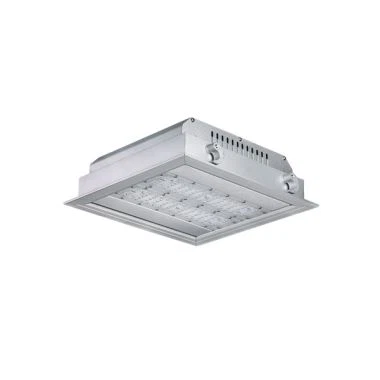


Optical Patterns in LED Tunnel Lighting: Engineering Guide for B2B Project Sourcing
Proper tunnel illumination is critical for highway safety and driver comfort. When a vehicle enters a dark tunnel from bright daylight, driver vision experiences the "black hole effect." If the entrance optical pattern is incorrectly specified, driver reaction time drops significantly, increasing accident risks.
As a direct LED fixture manufacturer and custom lighting solution supplier, we design zone-specific optical patterns for vehicular tunnels, underpasses, and pedestrian subways worldwide.
The Science of Tunnel Lighting Zones & Optical Distributions
Unlike standard outdoor street lighting, tunnel systems require progressive lighting zones designed around eye adaptation curves (CIE 88 standards).


| Tunnel Zone | Primary Visual Challenge | Optical Pattern Type | Typical Light Distribution |
| Threshold / Entrance Zone | "Black Hole Effect" & Daylight Adaptation | High-Output Asymmetric Flood | Wide-angle, anti-glare high intensity |
| Transition Zone | Gradual Adaptation to Lower Light | Medium-Output Wide Blend | Smooth luminance step-down |
| Interior / Central Zone | Sustained Visibility & Contrast | Low-Output Narrow Spot / Strip | High uniformity, minimal glare |
| Exit Zone | Daylight Re-adaptation | Medium-Output Counter-beam | Uniform illumination against glare |
Technical Breakdown of Zonal Optical Patterns
1. Entrance Zone: Anti-Glare Flood Patterns
The threshold zone requires high luminance levels to eliminate visual shock. A dedicated wide-angle flood pattern covers the full pavement width while angling light away from oncoming sightlines to eliminate glare.
For high-luminance entry applications, units such as the SMD LED Tunnel Light provide uniform surface distribution with low glare, helping drivers adjust smoothly upon entry.
2. Transition Zone: Gradual Luminance Step-Down
In this zone, light levels decline progressively. Abrupt drops in light level cause eye fatigue and sudden braking. Transition optics utilize a wide-angle blend pattern that smooths out luminance steps.
Integrated fixtures like the 120W LED Tunnel Light feature built-in transition beam spreads that allow contractors to maintain uniformity without complex multi-fixture arrays.
3. Interior Zone: Energy-Efficient Uniformity
The interior zone is the longest section of any tunnel. Here, optics shift to low-power, narrow-beam or continuous strip patterns focused on the road surface and lower side walls.
Deploying optimized Led Tunnel Lamp fixtures in interior zones typically yields up to 60% energy savings compared to traditional metal halide or fluorescent setups.
Specialized Optical Configurations for Complex Geometry
- Curved Tunnels & Multi-Lane Expressway Sections: Straight symmetric beams leave dark patches on outer retaining walls. Curved layouts require asymmetrical conical beam angles to cast uniform light along wall surfaces.
- Severe Environmental Conditions: Coastal, high-humidity, or dusty mountain tunnels require sealed housings that maintain optical clarity. Using durable Led Tunnel Light IP66 fixtures prevents dust or moisture ingress from distorting the beam pattern.
- Urban Pedestrian Tunnels: Pedestrian subways require low-glare, dual-directional flood optics that illuminate both walkways and ceilings, improving pedestrian safety while reducing municipal power usage.
Engineering Pitfalls to Avoid in Tunnel Sourcing
Specification Alert: Sourcing tunnel fixtures based solely on total wattage rather than photometrics (IES/LDT files) often leads to hot spots, excessive glare, or non-compliance with municipal safety audits.
Omitting Transition Optics: Skipping transition fixtures to lower initial material costs inevitably leads to eye strain complaints and re-inspection failures.
Ignoring Environmental Lens Fouling: Unsealed housings collect exhaust soot and dust. Specifying IP67 units like the Professional Waterproof 120W LED Tunnel Light maintains sharp beam focus over long maintenance intervals.
Using Uniform Fixtures Across All Zones: Applying a single beam angle across the entire tunnel wastes energy in interior zones and under-illuminates entrances.
Frequently Asked Questions (FAQ)
Q1: Should different optical patterns be mixed within a single tunnel project?
Yes. Standard tunnel design relies on mixing high-output entrance floods, progressive transition blends, and low-wattage interior optics to achieve safety compliance and energy efficiency.
Q2: How do optimized LED optical patterns reduce long-term maintenance costs?
Targeted beam patterns reduce wasted light spill on upper walls and ceilings, minimizing thermal buildup and keeping lens surfaces cleaner for longer periods.
Factory-Direct Engineering Support & Turnkey Solutions
As an OEM/ODM LED manufacturer, we offer direct-factory pricing, custom optical tooling, and turnkey Dialux photometric layouts for municipal engineers, electrical contractors, and regional distributors.
Whether you are upgrading an existing underpass or designing a multi-kilometer expressway tunnel, our team provides complete photometric calculations and tailored fixture manufacturing.
[Contact Our Tunnel Lighting Engineering Team] to request Dialux simulations, product specifications, or factory-direct pricing for your upcoming project!