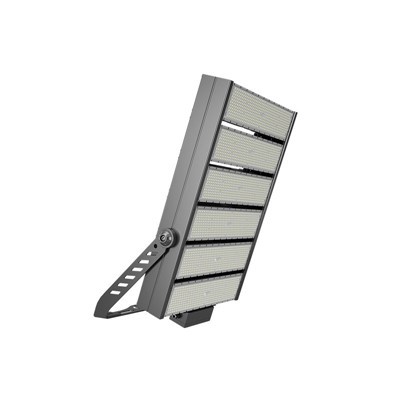

1. PC lens:
Optical grade material Polycarbonate (PC). Plastic materials are produced through injection molding and extrusion, with high production efficiency. The product has the advantages of light weight, drop resistance, low cost, etc. The light transmittance is slightly low, and the transmittance is about 89% when the thickness is 3mm; at the same time, the temperature resistance of the material is not too high, the temperature cannot exceed 110°, and the heat distortion temperature 135 degrees. At present, the material is widely used in LED lenses that do not require high light transmittance.
2. Silicone lens:
Silicagel (Silica), also known as silicic acid gel, is a highly active adsorption material and is an amorphous substance. Because silica gel has high temperature resistance (and can also be reflowed), it is usually used to directly encapsulate on LED chips. Generally, the size of silica gel lens is small, 3-10mm in diameter. Since the larger the product volume, the higher the production cost, in addition to LED chip packaging, other applications are less.
3. Glass lens:
The main advantages of optical glass materials are that the light transmittance can be as high as 97%, and the temperature resistance is high; but they also face factors such as single product shape, fragility, difficult mass production, low production efficiency, and high cost. Although very few domestic manufacturers have begun to develop glass molding processes, they use molds to melt and cast glass lenses, which can produce lenses with various shapes and special surfaces. However, the current high price of such production equipment makes it difficult to popularize in the short term. In addition, the shortcomings of fragile glass materials have yet to be resolved. Due to the high light transmittance and high cost of glass material lenses, they are generally used in optical precision instruments.
4. PMMA lens:
PMMA is derived from English acrylic (acrylic plastic), the chemical name is polymethyl methacrylate, commonly known as plexiglass, Hong Kong and Taiwan are used to call PMMA as acrylic. This material is an important plastic polymer material developed earlier, with good transparency and chemical stability. Plastic materials have the same characteristics as PC materials, easy to shape, high production efficiency, light weight, drop resistance, and high light transmittance, with a penetration rate of about 93% at a thickness of 3mm; the disadvantage is that the temperature cannot exceed 85° , The heat distortion temperature is 92 degrees. Due to its good light transmittance, high efficiency in mass production, and low cost, this material is widely used in various optical lenses.