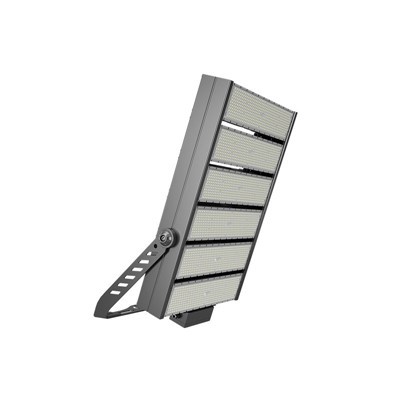

Segmented lighting design
The main reason why tunnel lights first light up and then dim is the use of segmented lighting design to help drivers adapt to light changes and ensure driving safety. Here is a detailed explanation:
Core mechanism: visual adaptation and segmented lighting
Mitigate the "black hole effect"
When entering a tunnel, the sudden dimming of external light will cause the driver to have a short visual blind spot (black hole effect). Setting brighter lighting at the entrance can shorten the time it takes for the eyes to adapt to the dark environment.
Three-stage lighting standard
According to technical specifications, tunnel entrance lighting is divided into three sections:
Introduction section: The brightness is the highest, used to offset the contrast of external strong light;
Transition section: The brightness gradually decreases;
Basic section: The brightness stabilizes to the normal level inside the tunnel.
Balance between energy saving and practicality
Maintaining high brightness throughout the entire process will greatly increase energy consumption and maintenance costs, while segmented design can reduce the operating burden while ensuring safety.
Driving safety advice
Slow down and turn on the lights in advance: Turn on the low beam lights before entering the tunnel to avoid blindness; Keep a safe distance: Leave reaction time for visual adaptation; Avoid sudden lane changes: When exiting the tunnel, the light changes again (white hole effect), and stable operation is required.
This design effectively balances safety needs and operating costs by scientifically regulating the light gradient.