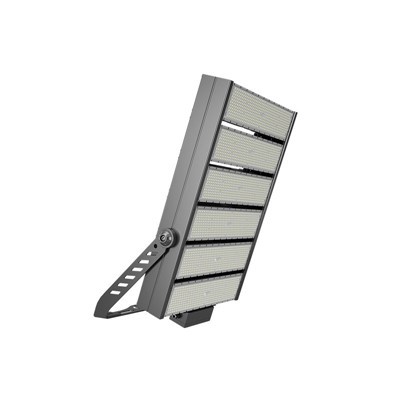

Beam Angle
How do you select beam angles? Here are the common beam angles and suggested uses:
80º (Very Wide Flood) – Use for flooding a wall with light, or for any application that needs a wide expanse of light.
60º (Wide Flood) – A good all-purpose beam angle that looks nice on house facades, plant material, and any application where you want fairly wide coverage. Use of this angle also avoids the projection of a noticeable cone of light on a surface – gives a more natural appearance to the illumination.
35º - 38º (Flood) – An ideal angle to use when lighting between windows on the front of a house, or when the object to be illuminated is not overly wide.
24º (Spot) – Projects a fairly narrow cone of light, best used on tall narrow objects such as columns and narrow trees. Avoid projecting onto wide surfaces since the narrow cone of light may seem overly artificial.
12º (Narrow) – An extremely narrow cone of light ideal for flagpoles, very tall palm trees, some columns, and other tall narrow objects. Be mindful that when all the light is concentrated in such a narrow cone, the luminance is extremely high – select lower output lamps if needed.
Sometimes the beam angle sits near the edge of the visible beam (known as a hard cutoff). Other times, the edge of the beam is very diffused and spills past the beam angle. The preferred beam has a soft edge that extends a moderate distance from the beam angle and gradually blends into darkness – this is the type of beam found with VOLT® LED lamps. Excessive spill can lead to excessive glare.
Use of a diffusion or spread filter can increase the beam angle and create a more evenly dispersed light.