


High bay lights are essential fixtures in large indoor spaces such as warehouses, factories, gymnasiums, and retail stores. They are designed to provide ample illumination over vast areas, often mounted at significant heights. One common question that arises when considering high bay lighting solutions is whether these lights can be dimmed. In this article, we will explore the dimming capabilities of high bay lights, the benefits of dimming, and the factors to consider when implementing a dimming system.
Understanding High Bay Lights
High bay lights are typically categorized into two types: fluorescent and LED. Both types have their unique characteristics and advantages. Fluorescent high bay lights were once the standard, but LED technology has gained significant popularity due to its energy efficiency, longer lifespan, and superior light quality.
LED high bay lights, in particular, have become the preferred choice for many applications. They offer higher efficacy, better color rendering, and greater durability compared to traditional fluorescent options.
Dimming Capabilities of High Bay Lights
The ability to dim high bay lights depends on the type of light source and the presence of compatible dimming controls. Here's a breakdown of the dimming capabilities for different types of high bay lights:
1. Fluorescent High Bay Lights:
- Traditional fluorescent high bay lights can be dimmed using specialized dimming ballasts. These ballasts allow for smooth dimming across a range of light levels.
- However, not all fluorescent high bay lights come with dimming capabilities out of the box. It is essential to check the specifications and ensure that the fixture is compatible with dimming controls.
2. LED High Bay Lights:
- LED high bay lights are generally more flexible when it comes to dimming. Many LED fixtures are designed to be dimmable, offering a wide range of dimming options.
- Dimming LED high bay lights can be achieved through various methods, including 0-10V, DALI (Digital Addressable Lighting Interface), and wireless control systems.
- The dimming range for LED high bay lights can vary, but most fixtures offer smooth dimming from 100% down to 10% or even lower.
Benefits of Dimming High Bay Lights
Implementing a dimming system for high bay lights offers several advantages:
1. Energy Savings:
- Dimming high bay lights can significantly reduce energy consumption. By adjusting the light output to match the required illumination level, users can save on electricity costs without compromising visibility.
- Energy savings can be particularly substantial in spaces where lighting needs vary throughout the day or based on occupancy.
2. Extended Lifespan:
- Dimming can also extend the lifespan of high bay lights. Operating the fixtures at lower light levels reduces stress on the components, leading to longer operational life.
- This can result in reduced maintenance and replacement costs over time.
3. Improved Lighting Control:
- Dimming provides greater control over the lighting environment. Users can adjust the light levels to suit different activities, creating a more comfortable and productive space.
- For example, in a retail store, dimming can be used to highlight specific displays or create a more inviting atmosphere during evening hours.
4. Enhanced Flexibility:
- Dimming allows for greater flexibility in lighting design. Users can easily adapt the lighting to changing needs or preferences without having to replace fixtures.
- This is especially useful in multi-purpose spaces where different lighting scenarios are required for various events or functions.
Factors to Consider When Implementing Dimming
When planning to implement a dimming system for high bay lights, several factors should be taken into account:
1. Compatibility:
- Ensure that the high bay lights are compatible with the chosen dimming controls. Check the manufacturer's specifications and guidelines for dimming compatibility.
- Some fixtures may require specific dimmers or controllers to function properly.
2. Dimming Range:
- Determine the desired dimming range and select fixtures and controls that can achieve the required light levels. Some systems may offer a wider dimming range than others.
- Consider the minimum dimming level to avoid flickering or other performance issues.
3. Control Method:
- Choose a dimming control method that best suits the application and user preferences. Options include wall-mounted dimmers, occupancy sensors, photocells, and smart lighting systems.
- Wireless controls can provide added convenience and flexibility, especially in retrofit installations.
Can You Dim High Bay Lights? A Comprehensive Guide
Popular Products

Warehouse Ufo Led High Bay Light
Model:ZGSM-HB09-200M
Power:200
Efficacy:190lm/w
Lumen: 38000lm
PF>0.95 ...
Power:200
Efficacy:190lm/w
Lumen: 38000lm
PF>0.95 ...

38w Energy Efficient Street Lighting With CB
38W ECONOMICAL STREETLIGHT
Series Kmini LED Street Light
Model:
ZGSM-LD38Kmini
Application:
Street |...

High Lumen 165lm/w Cobra Head Street Light Fixtures
MODULAR DESIGN 40W HIGH LUMEN LED CAR PARK LIGHTING
Series H4 LED Parking Lot...

DMX 512 LED Pillar Light Column Lamp
DMX 512 LED Pillar Light Column Lamp
Model:ZGSM-RBL1-30
Power:30w
Efficacy:3030 LED 135lm/w...
Model:ZGSM-RBL1-30
Power:30w
Efficacy:3030 LED 135lm/w...

LED Bollard Light
LED Bollard Light
Model:ZGSM-RBL1-50
Power:50w
Efficacy:3030 LED 135lm/w
PF>0.95...
Model:ZGSM-RBL1-50
Power:50w
Efficacy:3030 LED 135lm/w
PF>0.95...
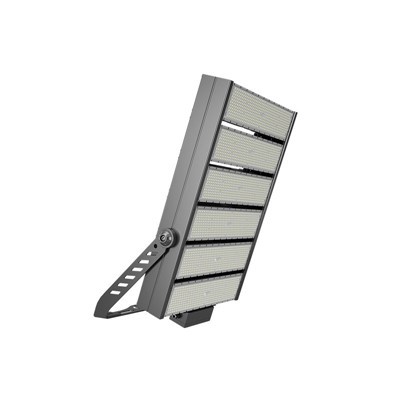
ZGSM 1800w Square Area Projector Flood Light
ZGSM 1800w Square Area Projector Flood Light
Model:ZGSM-FL09-1800
Power:1800w
Efficacy:150lm/w...
Model:ZGSM-FL09-1800
Power:1800w
Efficacy:150lm/w...