


High bay LED lights have become increasingly popular in industrial and commercial settings due to their energy efficiency, long lifespan, and superior light quality. However, one common concern among users is whether these lights generate significant heat during operation. In this article, we will explore the thermal characteristics of high bay LED lights, the factors influencing their heat generation, and the implications for their performance and longevity.
Understanding LED Heat Generation
LEDs (Light Emitting Diodes) are known for their energy efficiency, converting a higher percentage of electrical energy into light compared to traditional lighting sources like incandescent or fluorescent bulbs. Despite this efficiency, LEDs still generate heat, albeit in smaller quantities.
The heat generated by LEDs primarily comes from the following sources:
1. Electrical Resistance: As current flows through the LED circuit, some energy is lost as heat due to electrical resistance.
2. Photon Emission: The process of emitting photons (light particles) also releases some energy as heat.
3. Driver Circuitry: The electronic components responsible for regulating the power supply to the LEDs can also generate heat.
While individual LEDs produce less heat than traditional bulbs, high bay LED lights often consist of multiple LEDs clustered together, which can lead to significant heat accumulation if not properly managed.
Factors Influencing Heat Generation
Several factors can influence the amount of heat generated by high bay LED lights:
1. Power Output: Higher wattage LED lights tend to generate more heat due to the increased electrical input.
2. Number of LEDs: The more LEDs in a fixture, the more heat will be produced.
3. Operating Environment: Ambient temperature and air circulation around the fixture can affect heat dissipation.
4. Design and Materials: The design of the LED fixture, including the use of heat sinks and the materials used, plays a crucial role in managing heat.
Heat Management in High Bay LED Lights
Effective heat management is essential for maintaining the performance and longevity of high bay LED lights. Manufacturers employ various strategies to dissipate heat and prevent overheating:
1. Heat Sinks: These are passive cooling devices made of materials with high thermal conductivity, such as aluminum or copper. They increase the surface area for heat dissipation, allowing the heat to spread out and cool down more efficiently.
2. Thermal Interface Materials (TIMs): These materials are used to fill gaps between the LED and the heat sink, improving thermal transfer and reducing hotspots.
3. Active Cooling: Some high-power LED fixtures may incorporate fans or other active cooling mechanisms to enhance heat dissipation.
4. Thermal Design: The overall design of the fixture, including the placement of LEDs and the airflow within the housing, can significantly impact heat management.
Implications of Heat Generation
Proper heat management is critical for several reasons:
1. Lifespan: Excessive heat can accelerate the degradation of LED components, leading to reduced lifespan and premature failure.
2. Light Output: High temperatures can cause a decrease in light output, known as "thermal rollback," which can affect the overall performance of the lighting system.
3. Safety: Overheating can pose safety risks, including the potential for fire hazards or damage to surrounding materials.
Conclusion
While high bay LED lights do generate heat, modern designs and technologies have significantly improved their ability to manage this heat effectively. By understanding the factors that influence heat generation and the strategies employed for heat dissipation, users can make informed decisions when selecting and operating high bay LED lights. Proper heat management not only enhances the performance and longevity of these fixtures but also ensures a safe and efficient lighting environment.
Do High Bay LED Lights Get Hot? An In-Depth Analysis
Popular Products

Warehouse Ufo Led High Bay Light
Model:ZGSM-HB09-200M
Power:200
Efficacy:190lm/w
Lumen: 38000lm
PF>0.95 ...
Power:200
Efficacy:190lm/w
Lumen: 38000lm
PF>0.95 ...

38w Energy Efficient Street Lighting With CB
38W ECONOMICAL STREETLIGHT
Series Kmini LED Street Light
Model:
ZGSM-LD38Kmini
Application:
Street |...

High Lumen 165lm/w Cobra Head Street Light Fixtures
MODULAR DESIGN 40W HIGH LUMEN LED CAR PARK LIGHTING
Series H4 LED Parking Lot...

DMX 512 LED Pillar Light Column Lamp
DMX 512 LED Pillar Light Column Lamp
Model:ZGSM-RBL1-30
Power:30w
Efficacy:3030 LED 135lm/w...
Model:ZGSM-RBL1-30
Power:30w
Efficacy:3030 LED 135lm/w...

LED Bollard Light
LED Bollard Light
Model:ZGSM-RBL1-50
Power:50w
Efficacy:3030 LED 135lm/w
PF>0.95...
Model:ZGSM-RBL1-50
Power:50w
Efficacy:3030 LED 135lm/w
PF>0.95...
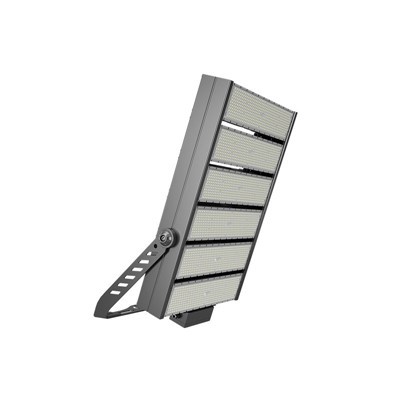
ZGSM 1800w Square Area Projector Flood Light
ZGSM 1800w Square Area Projector Flood Light
Model:ZGSM-FL09-1800
Power:1800w
Efficacy:150lm/w...
Model:ZGSM-FL09-1800
Power:1800w
Efficacy:150lm/w...